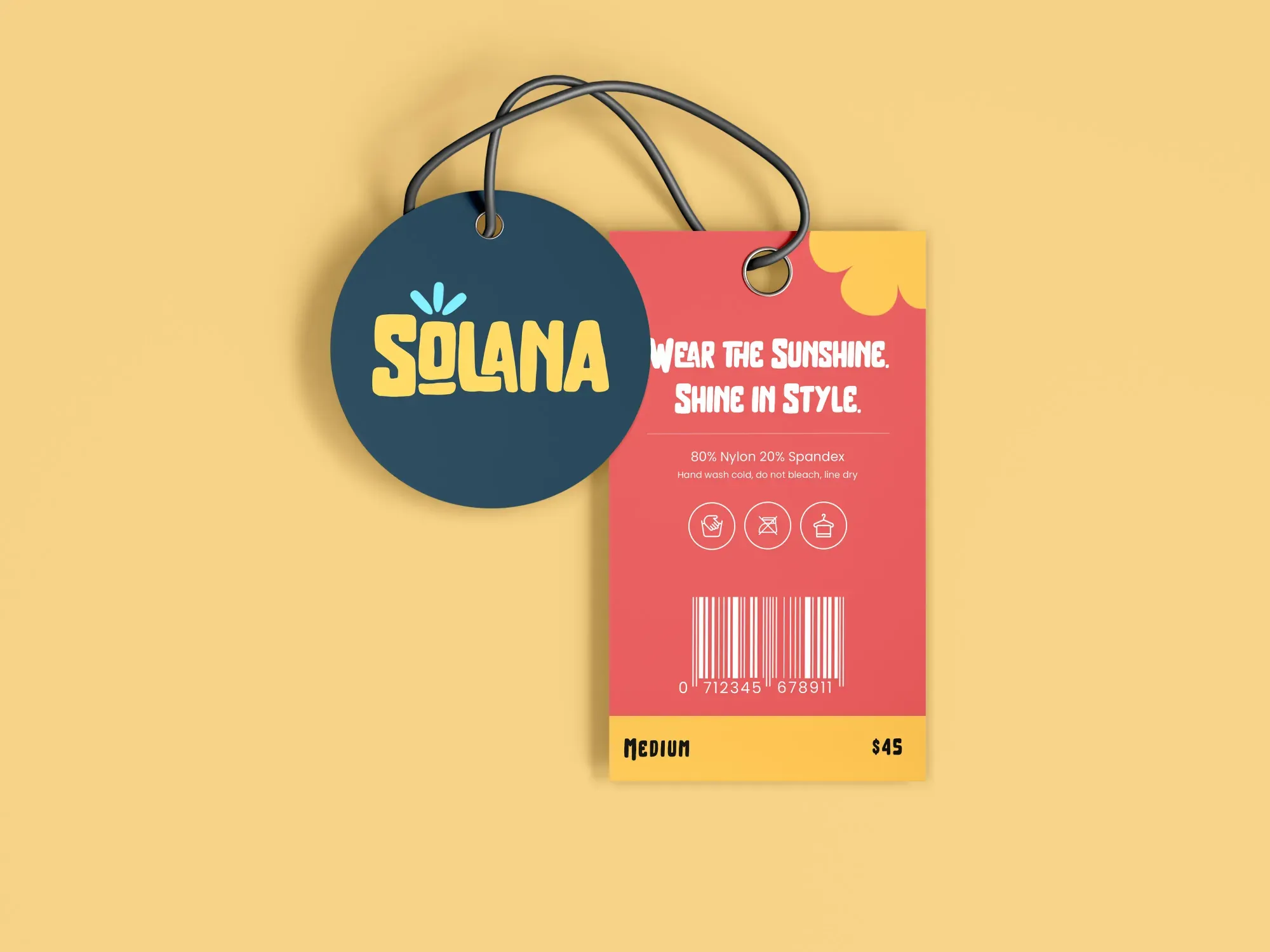
"Can we just use stock photos instead?" comes up in almost every project where a custom graphics or illustration line item shows up in the quote. It's a fair question - stock is instant and inexpensive, and a lot of it looks perfectly professional. The honest answer is that it depends on what job the image is actually doing for the brand, not just whether it looks fine in isolation.
Here's how to tell which one you actually need, instead of defaulting to whichever one is cheaper this quarter - and why this decision connects directly back to the same consistency problem covered in why branding is a system, not just a logo.
What Stock Photography Is Actually Good For
Stock earns its keep in low-stakes, high-volume spots: a supporting image next to a blog paragraph, a generic background texture, a quick social post that needs to go out today. In those cases, no one is scrutinizing whether the image is uniquely "yours" - it just needs to not look out of place.
The risk is using it in spots that are supposed to carry brand recognition - a homepage hero, a product illustration, an icon set that appears everywhere. That's where stock starts working against the brand instead of for it, because the same handful of popular stock sets show up on hundreds of other sites and pitch decks, which quietly undermines the first-impression work a homepage is supposed to do.
Where Custom Graphics Earn Their Cost Back
Custom illustration and graphics pay off in exactly the spots stock undermines: anywhere a visitor forms their first impression of what makes a business different. A custom icon set that matches an existing color palette and line weight reads as more deliberate than a mismatched stock set, even if most visitors couldn't articulate why.
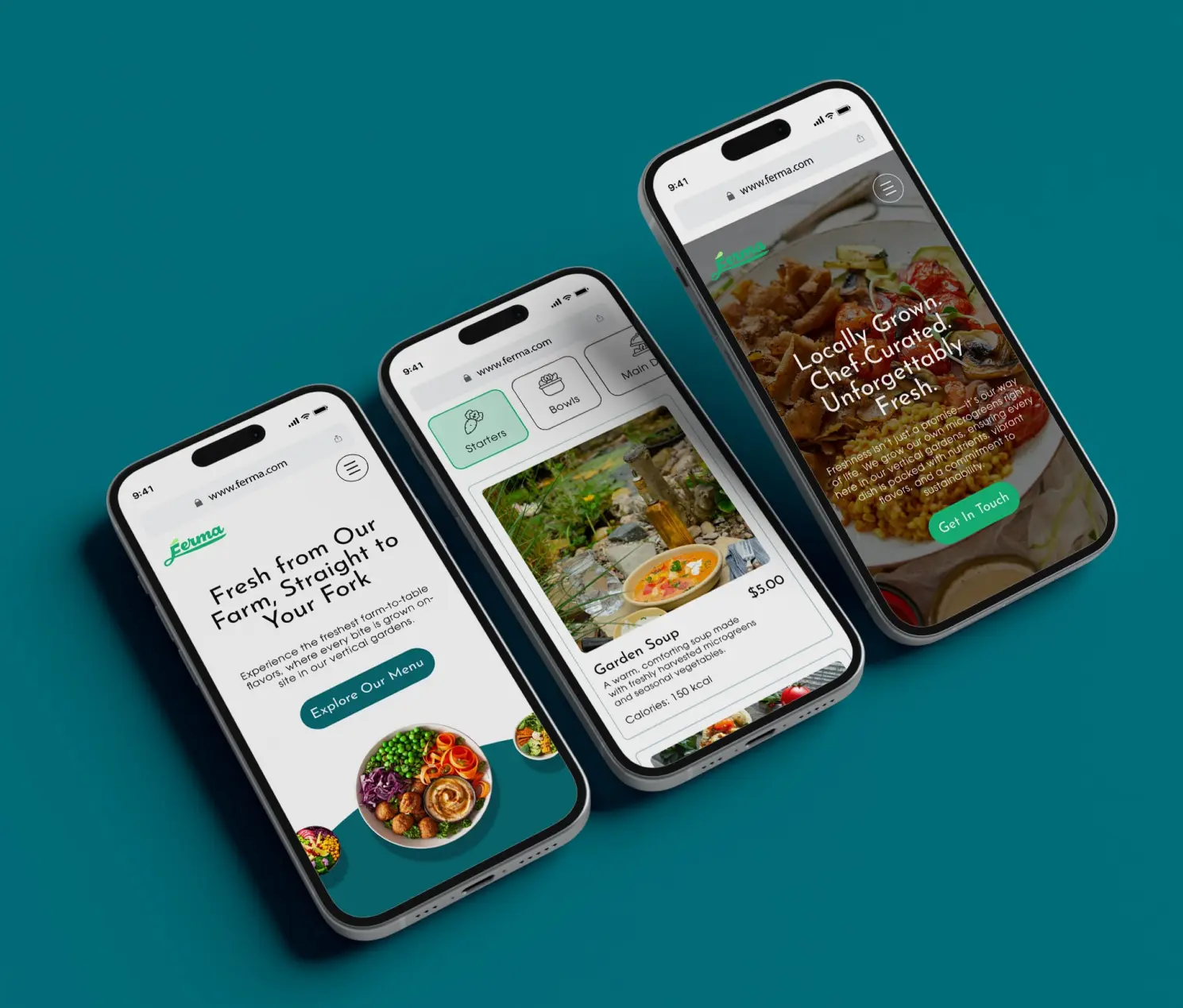
It also compounds. A custom illustration style, once established, gets reused across the website, social graphics, and print collateral - which is both cheaper over time than repeatedly licensing new stock, and far more recognizable as uniquely a brand's own. The Ferma branding project is a good example of a custom visual system carrying across every touchpoint instead of being rebuilt each time, and the same principle shows up in how Raw Juicery's identity uses a consistent illustration style across packaging and digital touchpoints alike.
What This Looks Like on an Actual Website
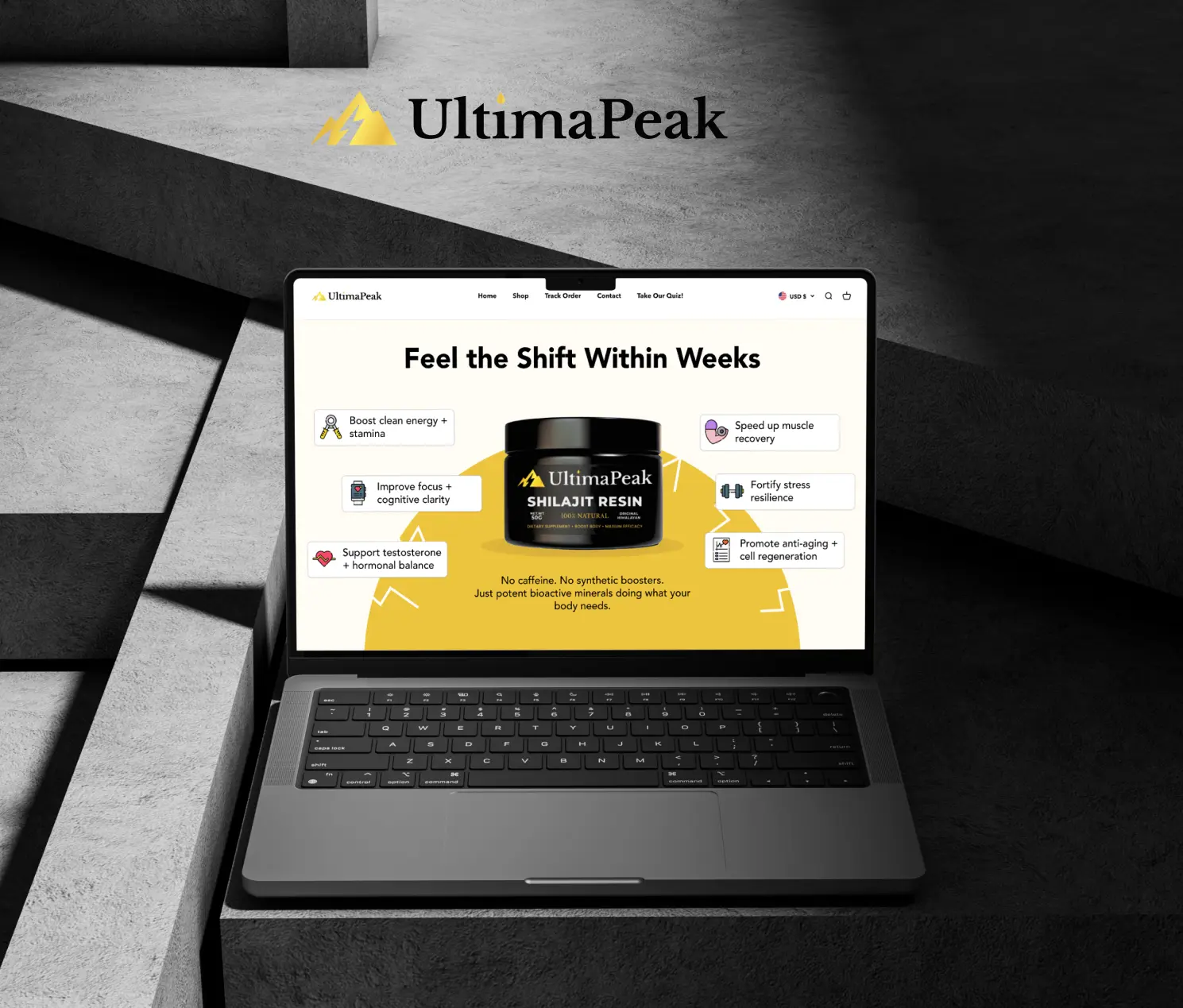
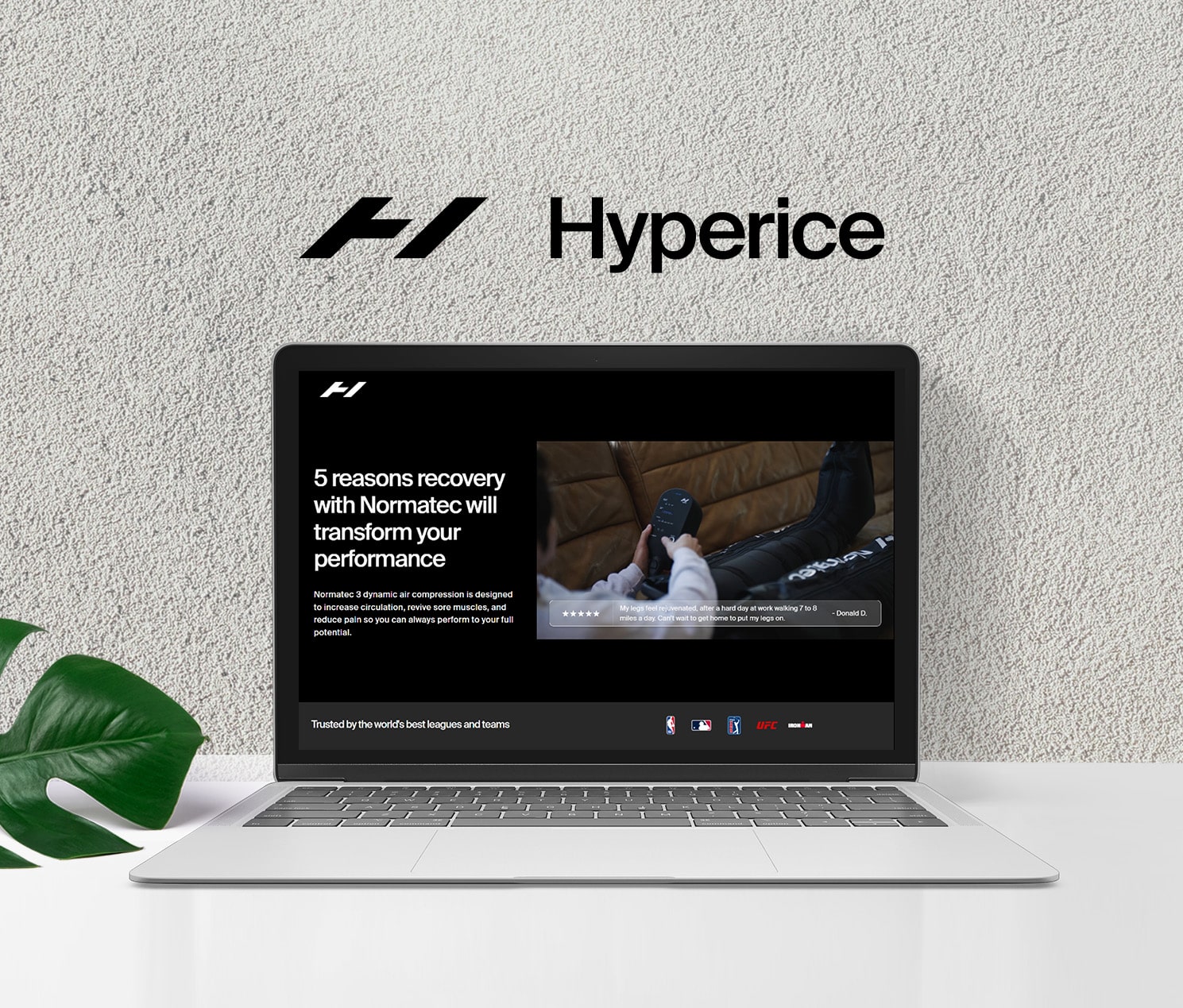
On a live site, the distinction matters most in three spots: the hero section (the first thing anyone sees), any icon system used to summarize services or features, and product or portfolio imagery that's supposed to differentiate the business from competitors offering something similar. Everywhere else - blog support images, generic background textures - well-chosen stock is a perfectly reasonable choice, and spending custom illustration budget there usually isn't worth it.
This is the same prioritization question that comes up in UI/UX design versus web design - deciding where the budget actually changes the outcome for a visitor, and where it doesn't change anything they'd consciously notice.
The Hybrid Approach Most Brands Actually Need
In practice, very few brands need either 100% custom or 100% stock. The useful split is: custom for anything that represents the brand itself (hero sections, icon systems, key product visuals), and well-chosen stock or licensed photography for supporting, high-volume content where uniqueness isn't the point.
A simple way to audit your own site: screenshot your homepage hero and your top three service or product images, then ask whether a competitor could be using the exact same images right now. If the answer is yes, that's the short list of spots worth converting to custom work first, rather than trying to replace every image on the site at once.
The question isn't "custom or stock" - it's which spots on your site are actually doing brand-building work, and which ones are just filling space.
If you're weighing this for your own site, you can look through recent graphics and illustration work or the design services I offer, read more about how video fits into the same visual strategy, and get in touch if you want a second opinion on where custom work would actually move the needle for your brand.